
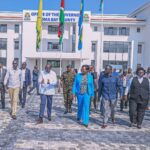



From August 12 to August 15, 2025, Homa Bay County has been a hive of activity as it hosts the 9th Devolution Conference. As the conference enters its third day, hundreds of individuals have converged upon this lakeside town for what has since grown into Kenya’s largest assembly on devolution. The event is being hosted at Homa Bay High School, Raila Odinga Stadium, and Tom Mboya University. It is an annual conference that brings in stakeholders to discuss the operational efficiency of counties and identify areas for improvement. It is also carried out to ensure that ordinary Kenyans benefit from devolution.
Why Homa Bay?
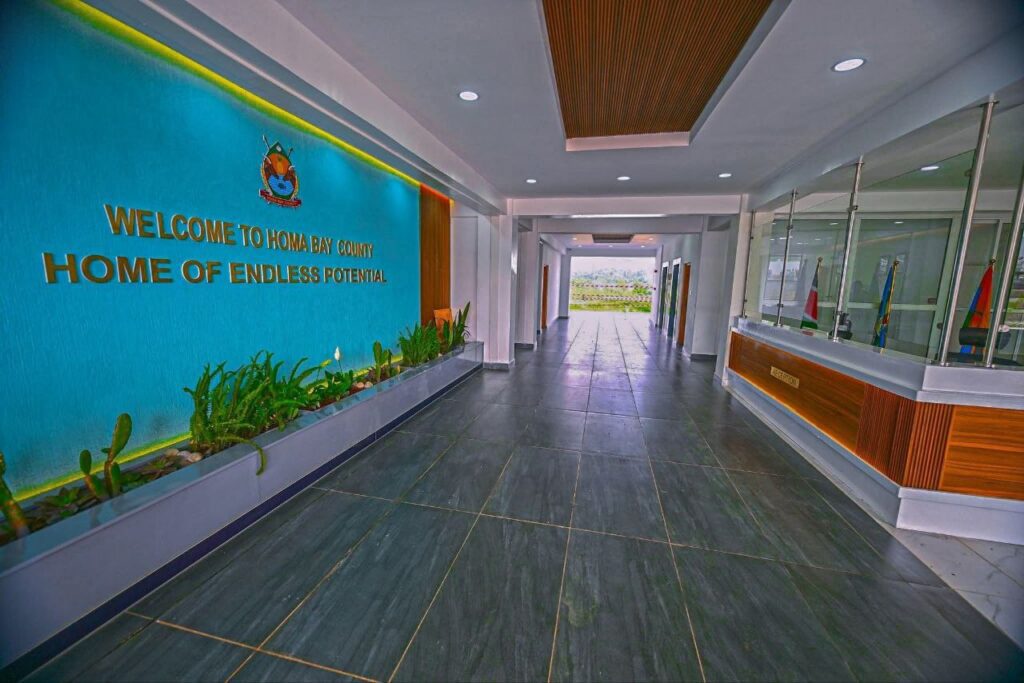
Homa Bay is not often the first place that comes to mind when one thinks of a national event of this nature, the fact that it was the host of the conference was a significant accomplishment. There has been an obvious sense of pride among the local community as all cameras are pointed ay the wonderful things Homa Bay has to offer. The county improved the stadium and the pier, ensuring all was prepared for the influx of visitors. Hotels have been fully booked, and local businesses have benefited from the influx of visitors to make sales.
Some of the notable hallmarks of the event was the launch of the master plan for the proposed city of Homa Bay. The Governor, Her Excellency Gladys Wanga plans to elevate the lakeside town to city status by 2035. To demonstrate her committment to this ambitious plan, she has taken advantage of the broad-based government to attract capital investments to Homa Bay town. In the past few months, the county has seen the expansion of Raila Odinga stadium, the upgrade of Kabunde air strip, the construction and opening of a modern fish market, the development of the pier and wider lake front, among others.

What is the conference about?
The primary objective of the Devolution Conference is to assess the progress of devolution. Since the enactment of the 2010 Constitution, Kenya has worked towards ensuring that power and resources are distributed beyond Nairobi to all regions of the country. This year’s theme focused on actualising the concept of delivering essential services such as education, healthcare, and infrastructure to those in most need. There were a few major themes that were discussed at the conference. On the first day, discussions centred on effectively managing counties, with a focus on reducing corruption and increasing accountability. Day two discussions involved topics such as healthcare and employment, particularly for the youth. By the third day, the focus shifted to financial distribution: ensuring equitable allocation so that no county is disadvantaged.
The discussions were substantive. There were tangible instances of effective practices. Homa Bay, for example, showcased its Riwa Special Economic Zone, an initiative generating employment opportunities for residents, including youth and individuals with disabilities. Other counties presented their own narratives, such as improved water systems or innovative marketplaces. The 274 exposition booths were a focal point, brimming with concepts from many counties and enterprises. Visitors could explore a range of topics, from agricultural technology to methods for monitoring county expenditures. This demonstrated that devolution is more than just a phrase; when executed correctly, it has the potential to transform people’s lives.
Who Showed Up?
The meeting featured prominent individuals. President William Ruto attended the event to emphasise how devolution may address Kenya’s disparate development. Deputy President Kithure Kindiki concluded the meeting, urging counties to implement the mentioned matters. Raila Odinga, a prominent figure in Homa Bay, delivered an extensive address advocating for equitable opportunities for all Kenyans. The Council of Governors, under the leadership of Ahmed Abdullahi from Wajir, maintained momentum, ensuring that attention remained on pragmatic measures. However, it was not solely politicians. County politicians, business leaders, professors, and ordinary citizens were all interacting. The dynamic atmosphere was attributed to the fact that everyone contributed their thoughts.
The Good and the Bad
Devolution is far from being successful, and Kenyans still suffer from social, political, and economic issues that have plagued the country since independence. Some of these persistence challenges came out in the discussions held during this year’s conference. For example, after more than a decade of devolution, some counties have managed to turn things around and are performing more favourably when compared to others. There is however, high levels of corruption at both the county and national levels which diverts resources meant for public gain to individual pockets. On top of that, not all counties receive adequate funding, and many are unable to utilise their resources effectively. The delegates in this year’s conference mulled over potential solutions, such as granting counties greater authority over their budgets or implementing stricter measures to eliminate waste. There has been progress, according to the Council of Governors, since the recommendations from the conference last year are already being implemented. However, significant progress remains necessary to ensure that regions such as Turkana or Lamu are not neglected.
The conference enters its fourth and final day tomorrow.