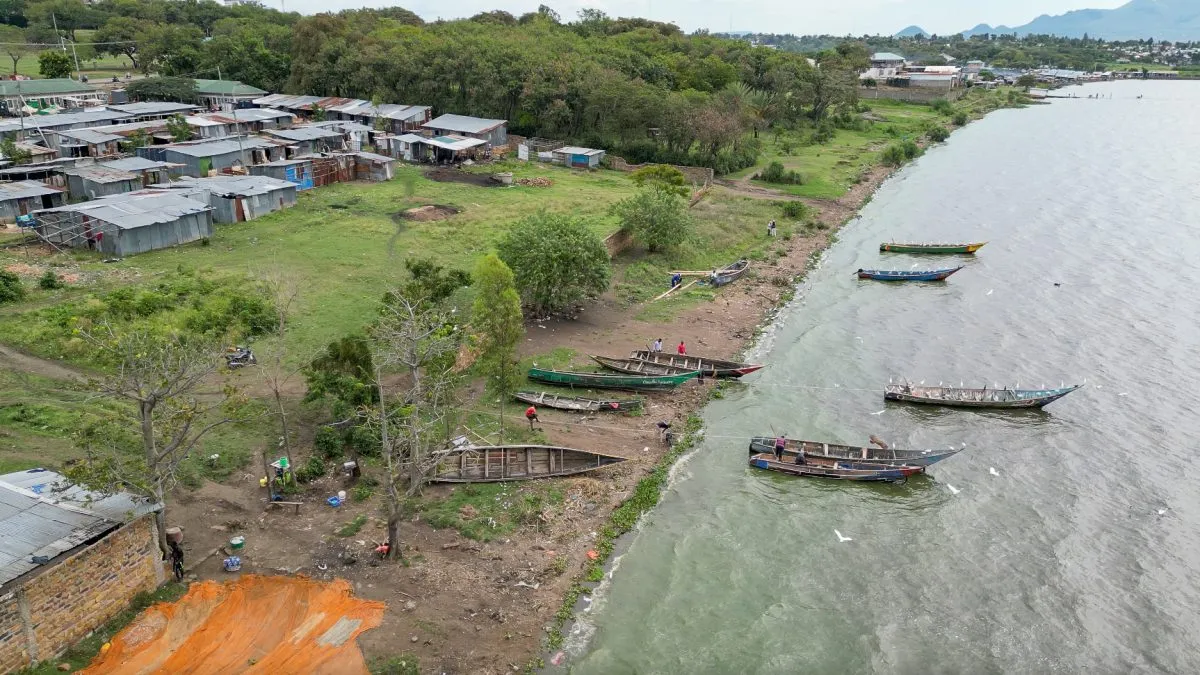


Along the tranquil shores of Lake Victoria, in the dusty playing fields of Mbita, and amid the chaotic but vibrant markets of Oyugis, something troubling brews beneath the surface a silent storm in the hearts and minds of young people. It’s not visible like a fever or a wound, but it hurts just the same, sometimes even more. It’s the storm of unspoken pain, misunderstood emotions, and untreated mental distress.
Homa Bay County, a place of deep heritage, unmatched resilience, and hardworking families is grappling with a hidden crisis. Youth mental health. While conversations on mental wellness are gaining momentum nationally, in places like Homa Bay, it remains an uncomfortable topic, a hushed matter, spoken of in murmurs or not at all.
A Generation on the Edge
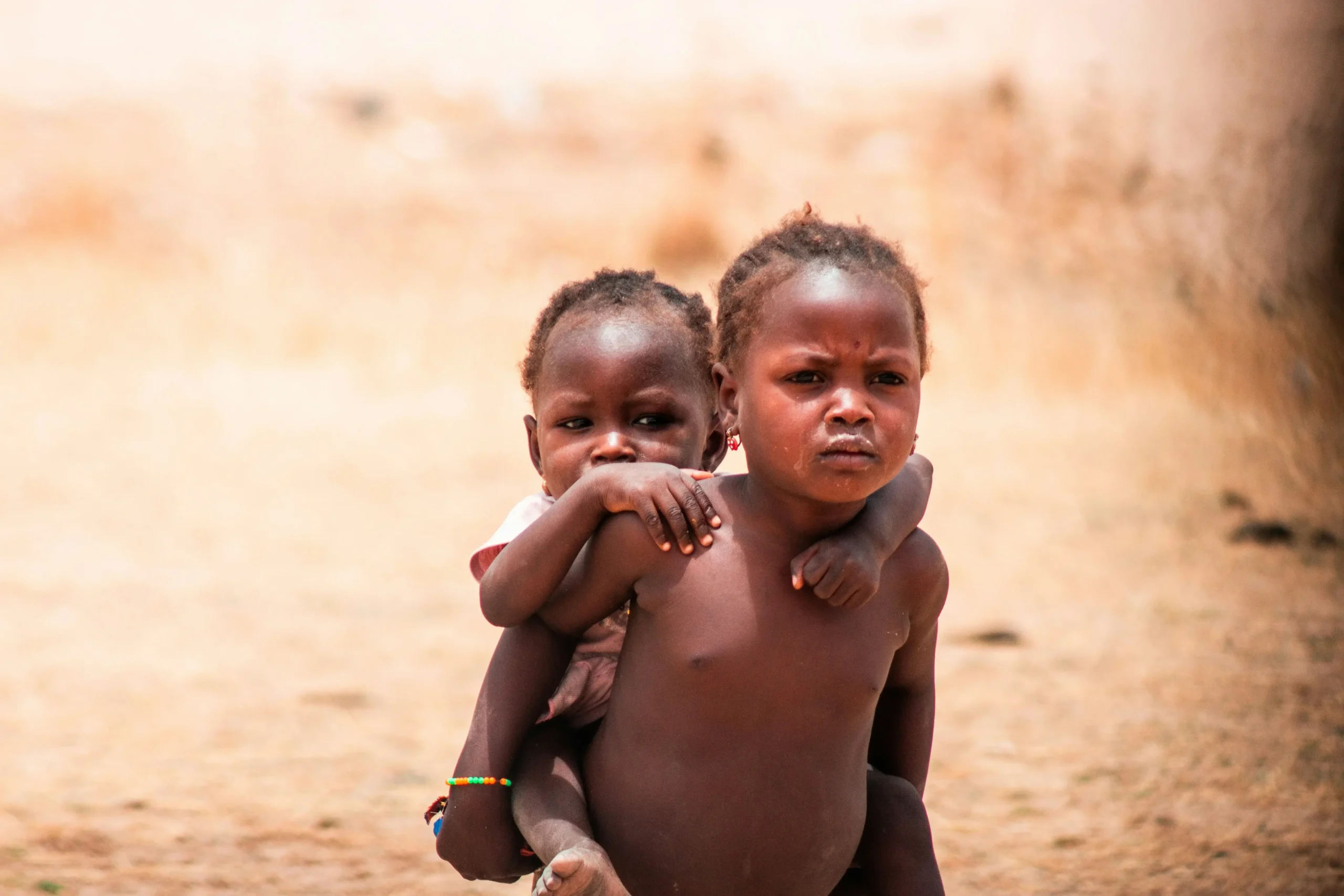
Imagine being 15 years old in a fishing village where your elder brother is jobless, your sister dropped out due to teenage pregnancy, and your parents are struggling to afford your uniform. Now imagine having no one to talk to about how this weighs on you. That’s the reality for thousands of adolescents in Homa Bay.
According to the Kenya Demographic and Health Survey (KDHS, 2022), one in three teenage girls in Homa Bay is either pregnant or already a mother. The county also leads with Kenya’s highest HIV prevalence at 18.2% (NACC, 2023). Behind those numbers are stories of girls forced to grow up too fast, of boys who feel forgotten, of students battling grief, poverty, and self-doubt often silently.
Young men, too, are buckling under the weight of expectations to provide, to be strong, to stay silent. Many turn to alcohol, substance use, or violence, not because they want to harm others, but because they don’t know how to express their own pain. Our communities are losing bright futures to unspoken burdens.
Stigma: The Silent Killer
In many homes, depression is dismissed as laziness. Anxiety is viewed as weakness. A child expressing emotional pain is told to “be strong” or sent to a prayer meeting. The problem isn’t that our people don’t care they do. But we haven’t learned how to see mental illness as real illness.
There is still a dangerous belief that mental illness only affects the “mad” or is caused by curses and witchcraft. Because of this, few seek help. Even fewer receive it.
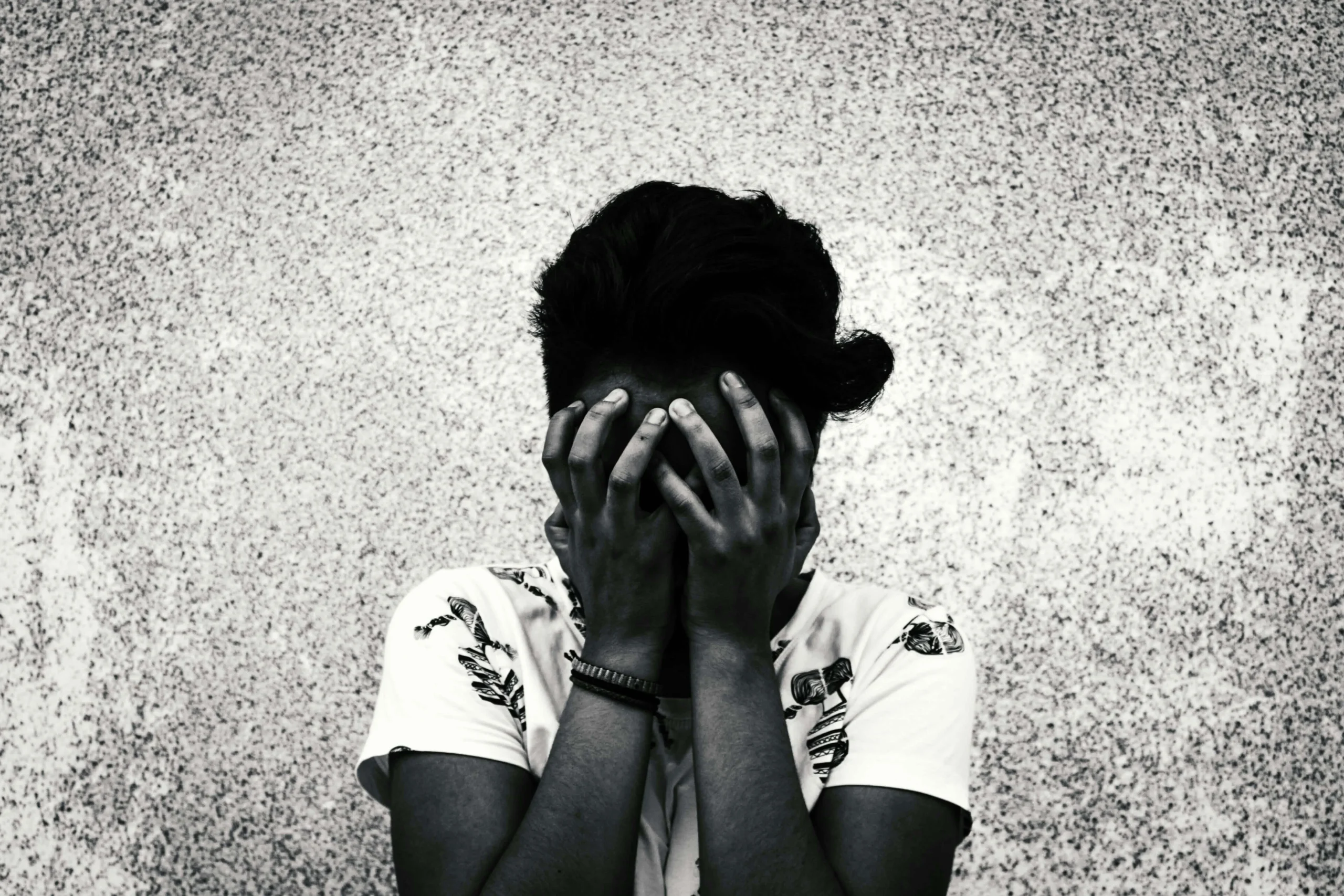
But mental health challenges are everywhere, in classrooms, on football fields, in boda stages, in church choirs. Some youth are smiling on the outside and dying on the inside.
Let Healing Begin at Home
We don’t need to wait for big hospitals or outside experts to start healing. Change begins in the simplest ways, by listening, by asking, by showing up.
Here are ways we can act:
Schools as Safe Spaces: Let’s introduce mental health clubs where learners can express themselves without fear, guided by trained teachers or peer mentors.
Empowering Health Workers: Equip our community health volunteers (CHVs) with tools to recognize mental distress and offer first-line support.
Engaging Local Leaders: Chiefs, pastors, imams, and elders must be part of the mental health conversation. They hold influence. Let them use it to educate and destigmatize.
Open Dialogue Forums: Youth barazas, art shows, storytelling sessions; these are powerful platforms where young people can safely share their realities.
Budgeting for Mental Wellness: The County Government of Homa Bay must allocate specific funds for mental health outreach, counselling programs, and awareness drives.
This Is Everyone’s Business
Mental health is not just a health issue. It is a development issue. It is an education issue. It is a family issue. When our youth suffer silently, our entire community suffers too.
Picture this: a school where every student is not just tested on books but is also taught emotional literacy; a chief’s baraza where the topic is not just land disputes but also youth depression; a Sunday sermon that speaks not just of salvation but also of seeking help without shame. That’s the Homa Bay we should be building.
Because true progress isn’t just about paved roads or exam grades. It’s about the mental and emotional well-being of the next generation.
Let’s be the ones who ask, “Are you okay?” and actually wait for the answer.
Let’s be the village that raises not just healthy bodies, but healthy minds.
Let’s not wait until we lose another young life to silence. The time to act is now.
Because the future of Homa Bay depends not just on educated minds, but on healed hearts.