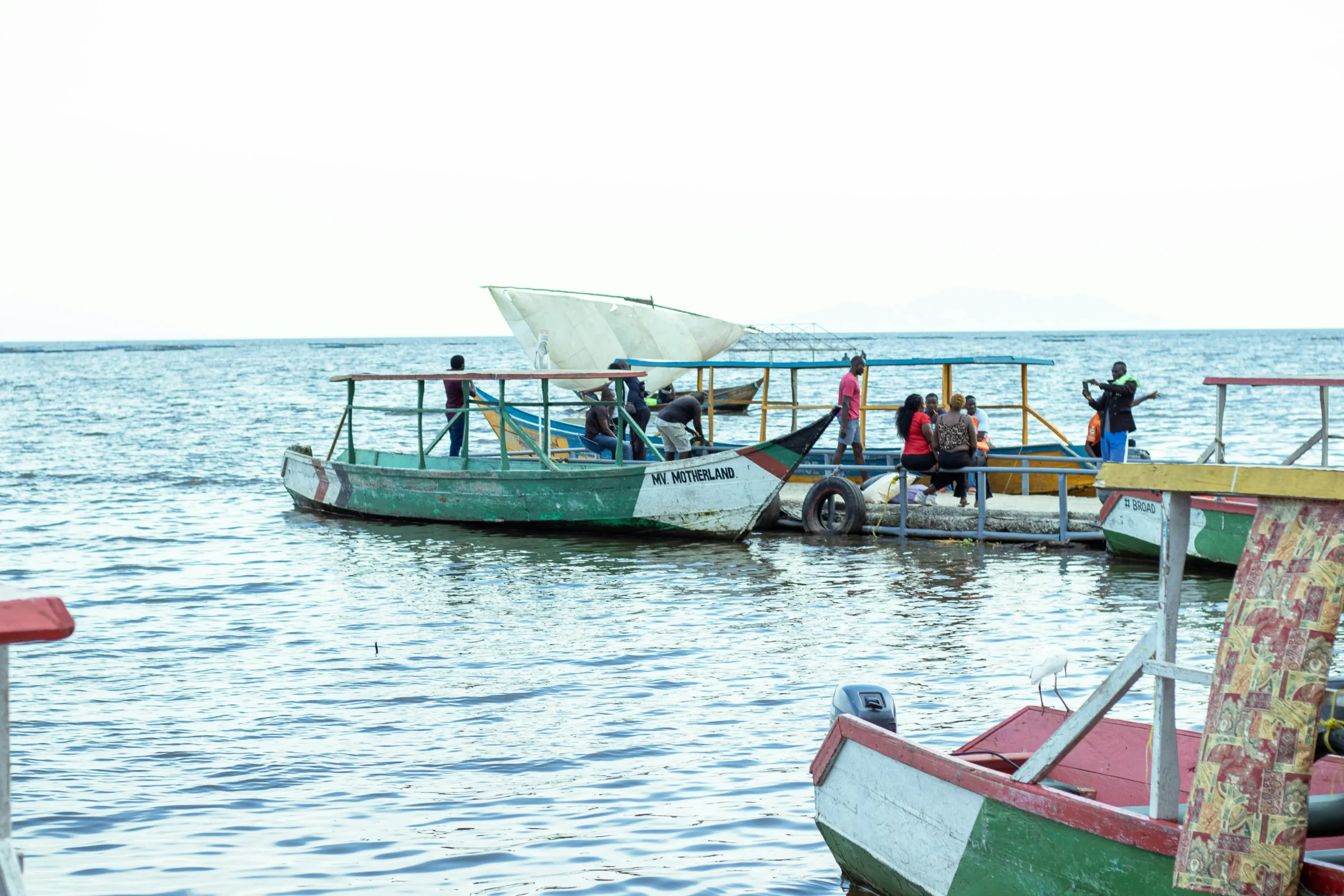




The sacred bond between the Luo people, their ancestral spirits, and the divine will of Nyasaye that guides them through transformation and diaspora
The Voice from Lake Victoria
As the first light of dawn kissed the waters of Nam Lolwe, the voice of Nyasaye descended like morning mist upon the gathered elders. It was not heard with earthly ears, but felt in the marrow of their bones, a resonance that stirred the very essence of their being. The great creator spoke without words, painting visions across their minds like ripples across the sacred lake. “My children,” the divine presence whispered through their souls, “the time of scattering has come. As seeds must leave the parent tree to grow in distant soil, so must you carry my covenant to the four winds. Each clan shall bear my sacred fire to new lands, yet remain bound by the eternal cord that connects all Luo hearts.” The eldest among them, his hair white as lake foam, trembled as the vision unfolded. He saw vast migrations stretching like rivers across the continent, each stream carrying the blessed children of Nyasaye to their destined homes. The covenant was clear: they would remain one people, united not by proximity but by the sacred bond that no distance could sever, blessed and protected by the ancestors who would guide their wandering feet.
The Scattering of the Clans
As the first light of dawn broke across Nam Lolwe’s sacred waters, the great dispersal began. The eldest among the clans raised their ritual spears skyward, each carved with the markings of their ancestral totems. With heavy hearts but unwavering faith, they divided the ancient fires that had burned beside the lake for countless generations, each clan carrying glowing embers in clay vessels to kindle new hearths in distant lands. The Jo-Kisumo moved northward toward the setting of Nyasaye’s throne, their drums echoing across the valleys like thunder announcing their passage. The Jo-Karachuonyo turned eastward, following the path of the rising sun, while others ventured south and west, each group guided by the spirits of their departed fathers who appeared in dreams and bird omens. Though the clans scattered like seeds on the wind, they carried with them the sacred words of Nyasaye and the promise that wherever they established their new homes, the same ancestral spirits would watch over them. In their separation lay not loss, but the fulfillment of divine purpose; to spread the covenant of Nyasaye across all the lands beneath the vast African sky.
The Rooting of Sacred Groves
In the seasons that followed, the scattered clans found their footing in distant lands. Where the Joluo settled by rivers, they planted the sacred dodo trees brought from Nam Lolwe, their roots drinking deep of foreign waters yet remembering the taste of home. The Acholi established shrines beneath towering fig trees, while the Alur carved ancestral totems from the ironwood of their new forests. As the first rains blessed these new settlements, the ancestors began to speak. In dreams, the elders saw their departed fathers walking among the growing crops, blessing the harvest with invisible hands. The spirits of grandmothers appeared to young mothers, teaching them which herbs would heal and which songs would call the rains. Signs manifested in the flight of sacred birds and the patterns of falling leaves. Thus were born the rituals that would endure for generations: the libations poured at dawn, the prayers offered beneath sacred trees, the ceremonies that honored both Nyasaye above and the living dead below. Though separated by vast distances, each clan practiced these rites with the same reverence, their shared faith creating invisible threads that bound them as one people across the breadth of Africa.
The Revelation
Years flowed like the eternal waters of Nam Lolwe, and the scattered children of the great migration prospered in distant lands. Yet when the rains came each season, when the sacred drums echoed across valleys and hills, when offerings of millet and milk were poured upon ancestral graves, the separated clans felt their hearts beat as one. The elders understood then what Nyasaye had truly ordained: not mere wandering, but the planting of divine seeds across the continent. Each clan had become a living shrine, each homestead a temple, each descendant a keeper of the eternal covenant. The religion was not something they carried in bundles or stored in sacred groves; it lived in their breath, flowed in their blood, and spoke through their dreams. From the shores of Lake Victoria to the plains of Sudan, from the highlands of Kenya to the banks of the White Nile, the voice of Nyasaye continued to whisper through ancestral spirits, binding the Luo people in an unbreakable sacred circle. The migration had ended, but the covenant was just beginning; eternal as the lake that called them forth, enduring as the spirits who guide them still.