

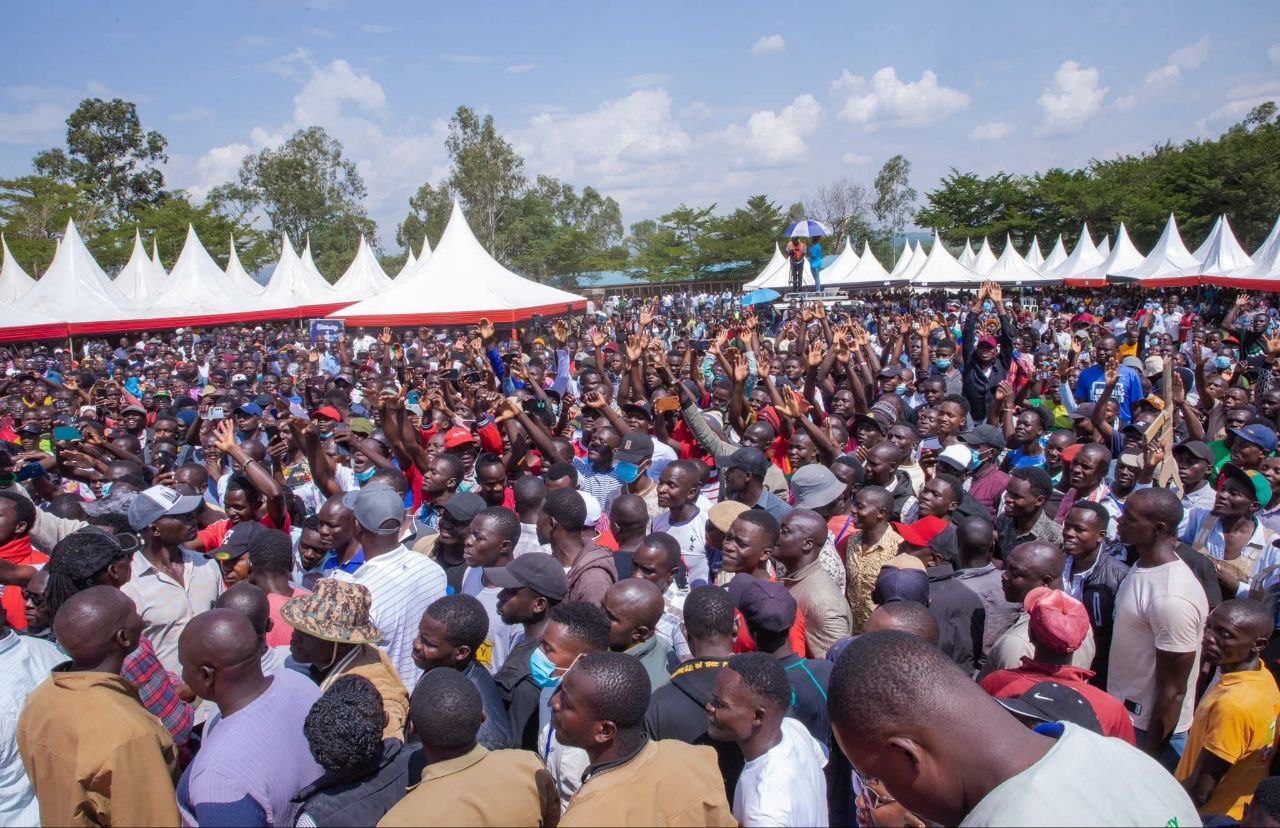
On July 4, 2025, the small village of Kokwanyo in Homa Bay County, Kenya, came to a standstill. The air was heavy with grief, anger, and a deep sense of loss as hundreds gathered at Nyawango Primary School to say goodbye to Albert Ojwang, a 31-year-old teacher, blogger, and father whose life was cut short in the most tragic way. Albert’s death in police custody sparked a fire of outrage across Kenya, and his burial was more than a farewell—it was a cry for justice, a celebration of a vibrant life, and a moment of unity for a community in mourning.
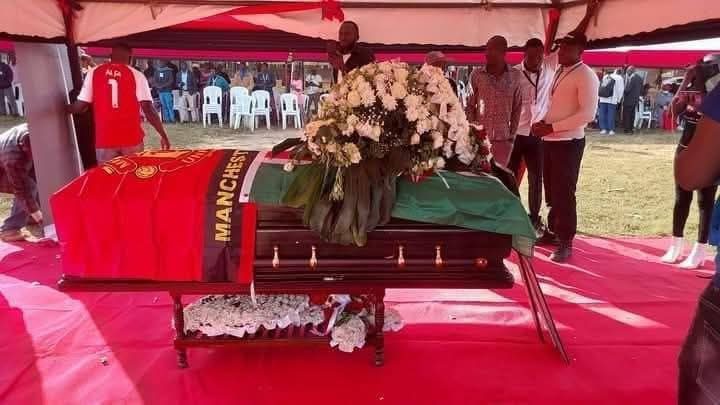
Albert Ojwang was no ordinary man. To his family, he was a loving son, husband, and father to a young son. To his students at Mawego National Polytechnic and Kituma Secondary School, he was a passionate teacher who brought history and religious studies to life. To his followers on X and Facebook, he was a bold voice, fearlessly speaking on political and social issues. His love for Manchester United was well-known, and his coffin, draped in the Kenyan flag and the red banner of his favorite football club, told the story of a man who lived with passion and pride.
A Father’s Grief, A Nation’s Outcry
Meshack Ojwang’s pain was felt by everyone. A video of him weeping silently in the hearse, alone with his son’s coffin, broke hearts across Kenya. He had left home with a title deed, hoping to bail out his son, only to return with a death certificate. “Our world has been plunged into darkness,” he told journalists, his voice heavy with sorrow. Albert’s widow, Nevnina Onyango, shared her own grief, recalling his last words to her from the police station: “I’ll see you soon.” Those words now haunt her, a promise left unfulfilled.
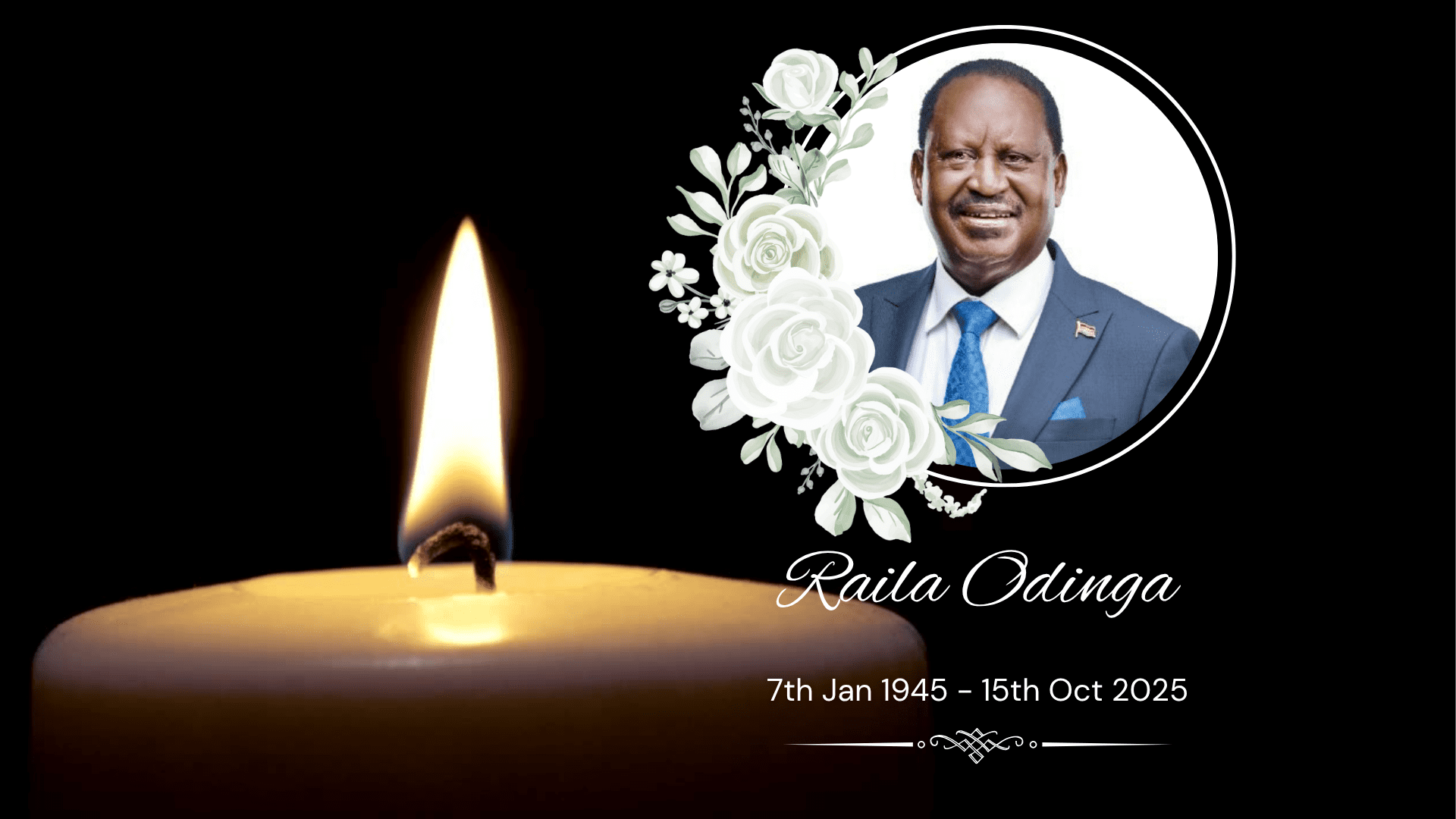
The nation watched as leaders like Embakasi East MP Babu Owino and Homa Bay Woman Representative Joyce Osogo spoke at the funeral, demanding justice. “The work of police should not be to kill but to protect,” Babu said, his voice trembling with emotion. The absence of police at the burial spoke volumes—no officers dared to show up after the community’s fury. Even prominent figures like Raila Odinga stayed away, perhaps respecting the family’s wish for a day of mourning, not politics.
A Simple Grave, A Powerful Symbol
Albert’s grave, dug between two banana trees at his family home, sparked mixed reactions online. Some called it too simple, too shallow, lacking the decorations they expected. But to those who knew Albert, it was perfect in its humility, reflecting the modest life he led. The Kenyan and Manchester United flags on his coffin spoke louder than any ornament could. They said, “This was a man of the people, a man who loved deeply and lived boldly.”
The grave’s simplicity also told a deeper story—of a family exhausted by grief and public scrutiny. For nearly a month, they had mourned under the nation’s gaze, fighting for justice while planning a funeral. Yet, in that simple grave, Albert’s legacy took root, a reminder that his death was not the end but a spark for change.
A Call for Justice
Albert’s death was no accident. An autopsy revealed he died from blunt force trauma to the head, with injuries pointing to torture, not the police’s initial claim of self-inflicted wounds. The Independent Policing Oversight Authority (IPOA) confirmed the CCTV at Central Police Station was tampered with, and three police officers and three civilians now face murder charges. President William Ruto called the incident “heartbreaking and unacceptable,” promising a swift investigation. But for Albert’s family and supporters, promises are not enough—they want accountability.

The Digital Content Creators Association of Kenya called Albert “a voice of the youth, a symbol of resilience.” His death has reignited protests against police brutality, with activists demanding an end to extrajudicial killings. As Faith Odhiambo, president of the Law Society of Kenya, put it, “We will continue to pile pressure until every single officer involved is held personally liable.”
A Legacy That Lives On
As the dust settled over Albert’s grave, one thing was clear: his story is far from over. His death has united Kenyans, from the youths who torched a police station to the strangers who sent money to support his family through comedian Eric Omondi’s “Sisi kwa Sisi” campaign. Even when over KSh 500,000 in burial funds mysteriously vanished from Meshack’s M-Pesa account, the outpouring of love and support continued, showing the strength of a nation standing together.
Albert Ojwang was more than a teacher or a blogger. He was a son, a husband, a father, and a voice that refused to be silenced. His burial was a moment of grief, but also a rallying cry for justice. As his father said, “The road to justice is a process, and it’s in the hands of the government. Albert’s justice is for all Kenyans.” May his memory inspire change, and may his family find peace in knowing that Albert’s light still shines in the hearts of many.
Rest in peace, Albert. Your voice will not be forgotten.