






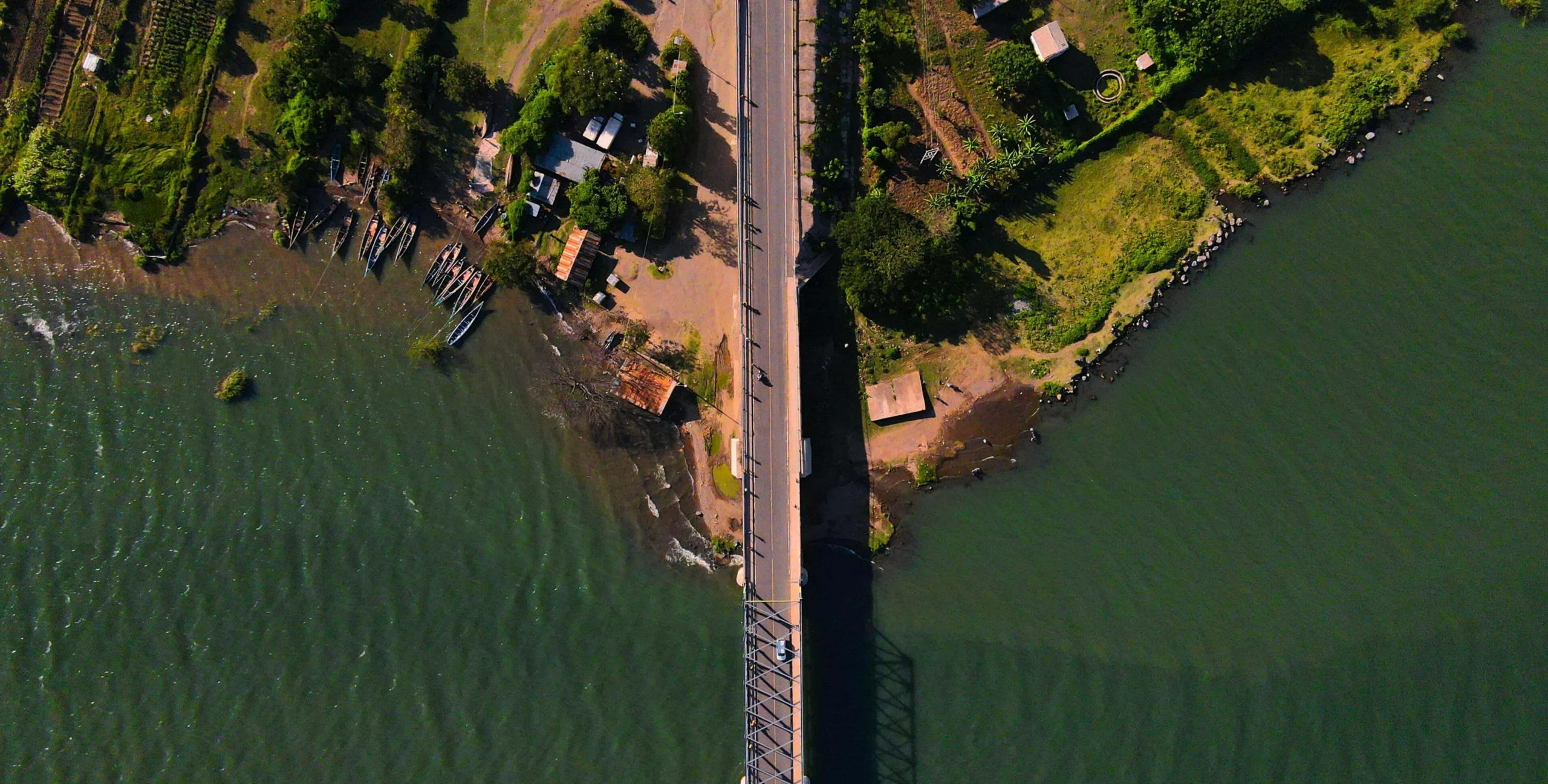
Picture this: a county where the rare roan antelope roams the plains of Ruma, ancient rock art tells stories long lost to time, and the green waters of Simbi hide the secrets of an ancient Luo village that was cursed by a witch. That is Homa Bay, Kenya’s hidden tourism gem, tucked along Lake Victoria. Homa Bay has it all, from its untamed jungles to sacred islands and an out-of-this-world vibe, yet very few seem to notice!
Ruma National Park
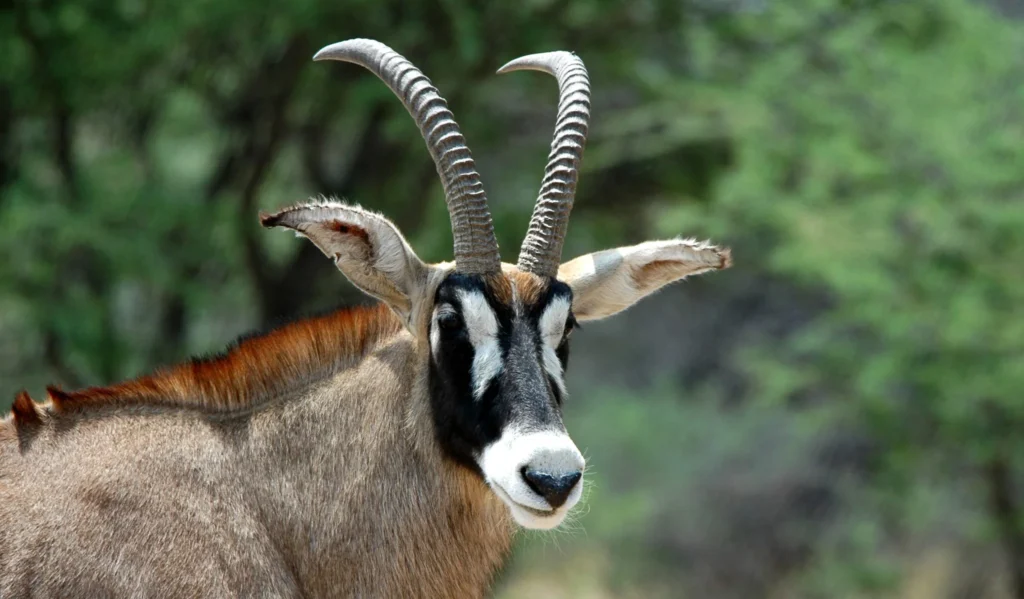
You cannot say you have been to Homa Bay County if you have not visited Ruma National Park. This park stands out because it is home to the very rare Roan antelope. Roan antelopes are the second-largest antelopes in the entire African continent. They used to roam the plains of Nyanza in their thousands but over the decades, hunting and human encroachment have pushed them to the brink of extinction. Their numbers have dropped to critical levels and there are not more than 20 left in Ruma; seeing one is like discovering a mythical creature.

Ruma is also home to other wildlife species, including black rhinos, leopards, and the extremely rare blue swallow bird. The Kenya Wildlife Service (KWS) has, in the last few years, strived to keep the animal population steady by bringing in new rhinos and zebras. These efforts have not only enriched the Ruma ecosystem but also incentivised more people to visit the park. In 2023, the tourist numbers grew by 15%.
Lake Simbi

This mysterious volcanic lake is nestled not very far from Kendu Bay town. The locals say the fizzy green waters filled an ancient Luo village after a hitherto unseen downpour. Every year, people travel from far and wide, drawn to this volcanic lake for its dark prehistoric origins and the claimed miraculous healing powers of its waters. Also, this is the only place in Western Kenya where you can spot flamingos. Several other bird species, such as little grebes, little egrets and Egyptian geese, also live around the lake. It is therefore an excellent spot for bird watching. Lake Simbi has no known inlet or outlet, but never dries up! The locals say it is so deep that no one who has fallen in has ever been recovered!
Mfangano Island

More than 350 years ago, there was a serious conflict that threatened to break the peaceful coexistence of the local communities that lived along the Eastern shores of Lake Victoria. However, the elders brought the communities together and negotiated a peaceful settlement. They held this ceremony on what was later to be Kenya’s largest island on its share of Nam Lolwe (Lake Victoria). This island is nowadays known as Mfangano. The name is derived from the Suba word ‘okuwangana’, which roughly translates to ‘unite.’ Later on, this island would also act as a safe haven to communities that fled the mainland to avoid being conquered by the Luo.
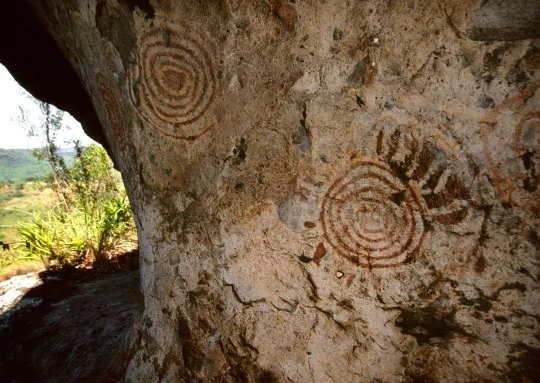
Mfangano was inhabited by a forgotten tribe called the Twa. This was a pygmy community that settled on the island thousands of years before the Luo and Abasuba sailed its shores. The only thing left of the Twa people’s settlement is the rock art they made in the caves they dwelt in. Today, you can visit Migingo and feast your eyes upon drawings made by people who lived more than 2,000 years ago!

When visiting Migingo, do not forget to visit Rusinga Island. Rusinga is accessible from the mainland by a road bridge that links it to Mbita town. You can also travel there by speed boat, ferry, or water bus from Lwanda Kotieno in Kisumu County. This island is most famous for being the final resting place of Tom Mboya, one of Kenya’s most celebrated political figures. Tom Mboya met his untimely death on the 5th of July 1969 at the end of an assassin’s gun. His gravestone reads, “Go and fight like this man who fought for mankind’s cause, who died because he fought, whose battles are still unwon.” Every year, more than 5,000 tourist visit Tom Mboya Mausoleum.

Also, if you time your visit just right, you might make it to Rusinga in time for the Rusinga Cultural festival. This annual event is held on the last Thursday and Friday before Christmas. It is marked by a plethora of cultural performances, such as wrestling, boat races, dances, and food from traditional Suba Cuisine.
Homa Bay’s like that awesome book you haven’t read yet—full of surprises and stories. Pack your bags and beat the crowds, because Homa Bay’s secrets won’t stay hidden for long.

Find More on Our Socials

HTV is the missing piece that Homa Bay has been looking for all along.
HTV is the missing piece that Homa Bay has been looking for all along.