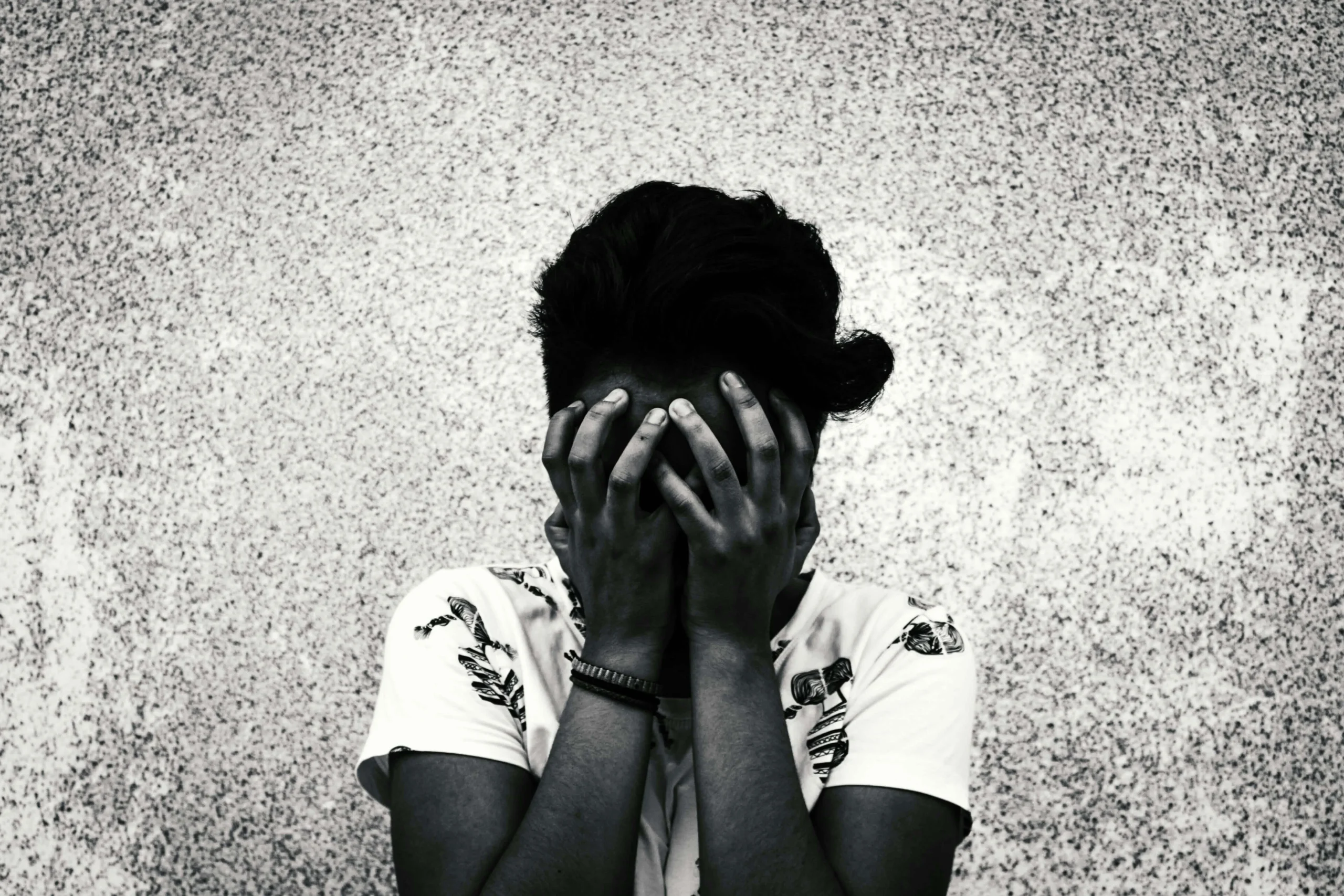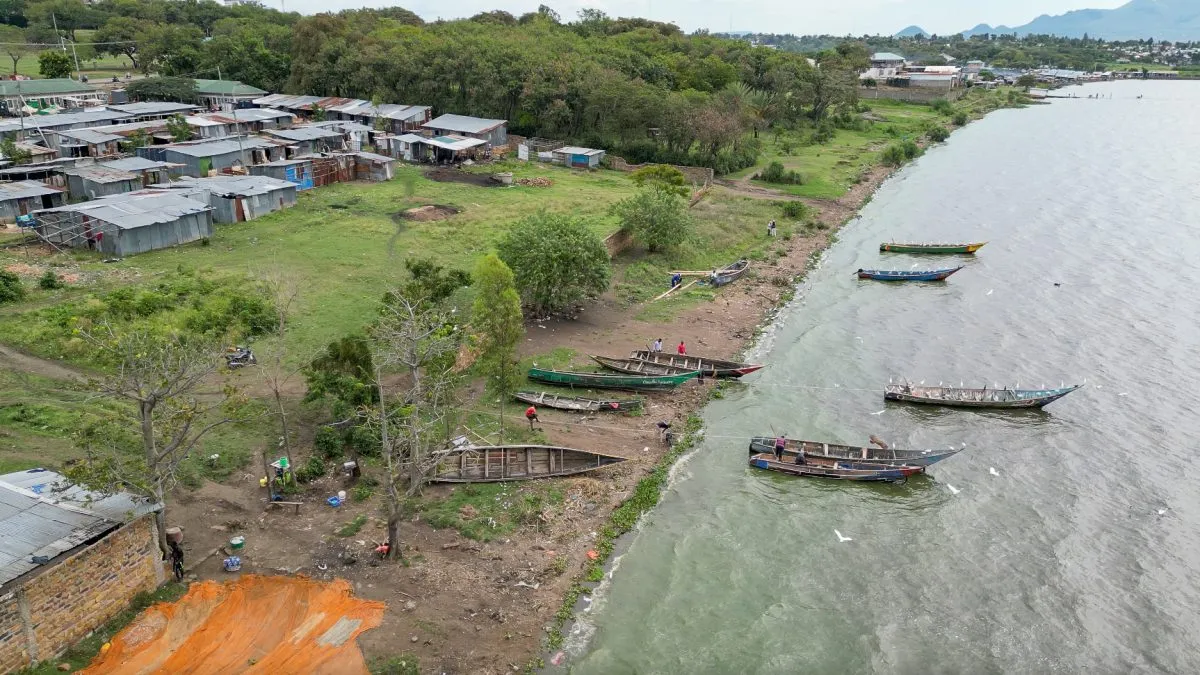



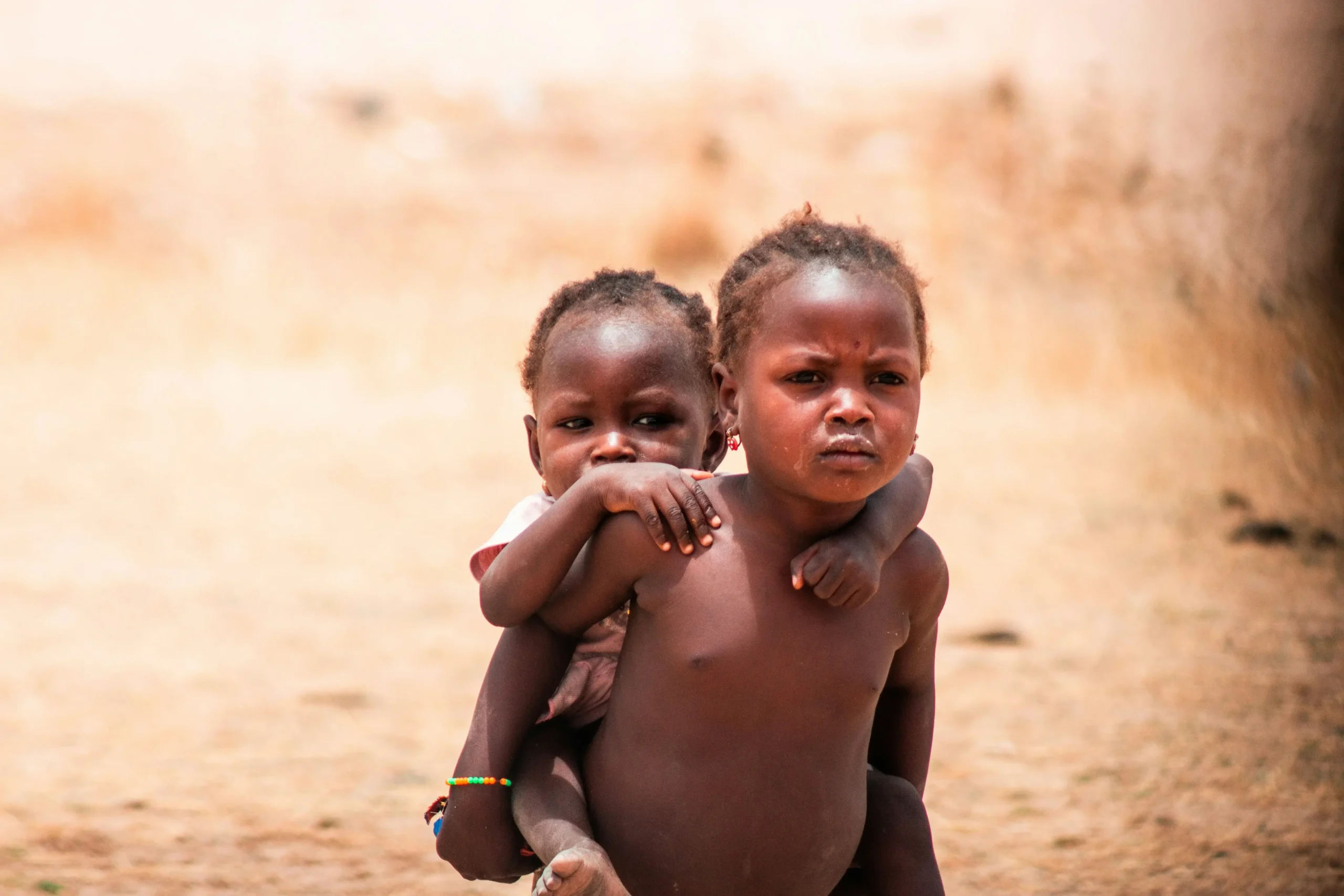
There is a big problem in Homa Bay County, but not much is being said about it: Many teenage girls are getting pregnant. Homa Bay has one of Kenya’s highest rates of teen pregnancy, which hurts girls’ health, education, and future. Let’s look at the issue, why it happens, and what’s being done to fix it.
How Big Is the Problem?
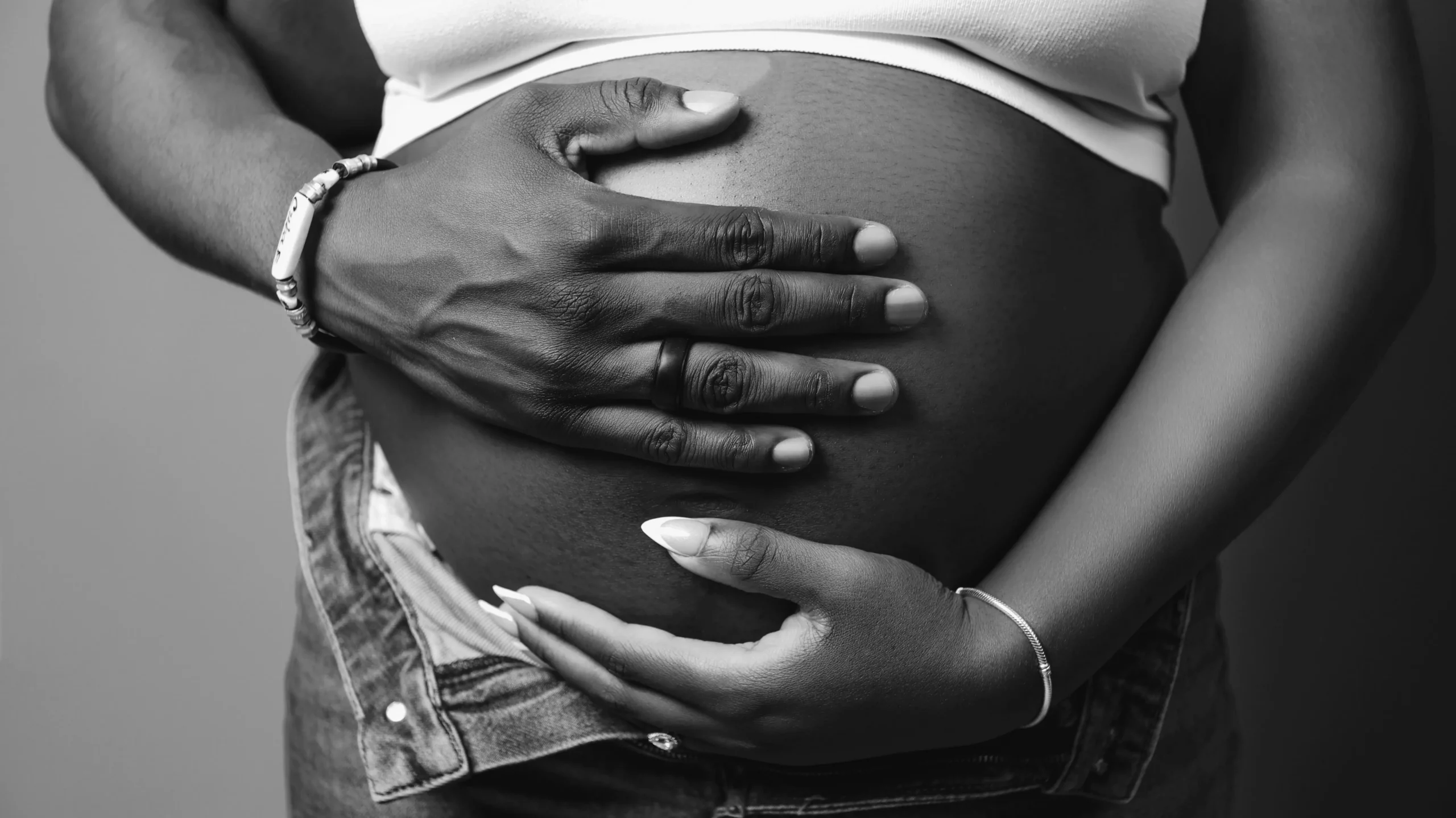
Teenage pregnancy is a serious issue in Homa Bay. A 2016 study by the Population Council found that 33% of girls aged 15–19 in Homa Bay have been pregnant, the second-highest rate in Kenya. The 2022 Kenya Demographic and Health Survey (KDHS) says Homa Bay’s teen pregnancy rate is 23.2%, much higher than the national average of 14.8%. This problem is worse in rural areas and poor communities, where girls face more challenges.
Many girls become mothers too early, which stops them from going to school, staying healthy, or chasing their dreams.
Why Does It Happen?
Poverty
Homa Bay has a poverty rate of 48.4%, higher than Kenya’s national average of 36%. When families struggle to afford basics, some girls turn to transactional sex to get money or food. Others are pushed into early marriages to ease financial stress.
Lack of Health Services
Many girls can’t get good sexual and reproductive health services, especially in rural areas. They face issues like needing parental permission, feeling ashamed to talk about sex, or not having nearby clinics. Programs like USAID’s DREAMS help, but more clinics are needed.
Cultural Practices
In some communities, early marriage and polygamy are common, making it seem normal for girls to start families young. Gender norms often give men more power, so girls struggle to say no to unsafe sex.
Weak Sex Education
Many schools don’t teach enough about sex, contraception, or consent. Without this knowledge, girls make risky choices. Friends or wrong information can also lead to unsafe behavior.
School Dropouts
Pregnancy often forces girls to leave school. Nationally, about 13,000 girls drop out each year due to pregnancy, and Homa Bay is a big part of this. The COVID-19 school closures in 2020 made things worse, as more girls got pregnant while out of school.
Poor Law Enforcement
Kenya has laws against child marriage and sexual abuse, but they’re not always enforced well in Homa Bay. This lets people who exploit girls get away with it.
Consequences of Teenage Pregnancy
- Health Risks: Young mothers face dangers during pregnancy and childbirth, like complications or unhealthy babies. Limited healthcare in Homa Bay makes this worse.
- School Problems: Many girls drop out and can’t return because of stigma, childcare, or no support. This traps them in poverty.
- Money Struggles: Young mothers often can’t find good jobs, making life harder for them and their families.
- Stigma: Pregnant teens are often judged or left out, which can hurt their mental health.
- More Risks: Early pregnancy increases chances of violence, HIV, or being taken advantage of as girls struggle to survive.
What’s Being Done?
Raising Awareness
Community meetings and youth programs teach people about the dangers of teen pregnancy. These efforts helped reduce cases between 2017 and 2019.
Support Programs
The county and organizations give money or supplies, like sanitary pads, to poor families. This helps girls stay in school, especially during their periods.
Better Healthcare
Programs like “In Their Hands” (2018) encourage girls to use health services for contraception and advice. Upgraded hospitals, like Ndhiwa Sub-County Hospital, provide better care for young mothers.
Keeping Girls in School
Scholarships and support programs help girls stay in school. Safe spaces, like child rescue centers, protect girls at risk of early marriage or abuse.
Stronger Laws
The county is working to punish people who exploit girls, though more needs to be done to make laws work better.
Success Stories
- Fewer Pregnancies: From 2017 to 2019, teen pregnancies dropped thanks to awareness campaigns and support programs.
- Better Living Conditions: Projects like KISIP2 improve life in poor areas, helping girls stay safe and healthy.
- Improved Healthcare: New and upgraded health centers in Homa Bay give young mothers better care.
How to Fix It for Good
- Improve Health Services: Build more clinics that welcome teens and offer free contraception and advice without judgment.
- Teach Sex Education: Add lessons in schools about sex, consent, and contraception. Use social media to reach kids who aren’t in school.
- Fight Poverty: Offer job training and small business programs for girls. Give more families financial help and sanitary pads.
- Support Education: Make it easier for pregnant girls to return to school with flexible schedules or childcare. Expand scholarships for poor girls.
- Change Harmful Traditions: Work with community leaders to stop early marriages and promote equal rights for girls.
- Enforce Laws: Strengthen police and court systems to punish those who harm girls. Build more safe spaces for at-risk girls.
- Use Technology: Create apps to share health information and let girls report abuse safely.