


Can the Blue Economy Revive Homa Bay?
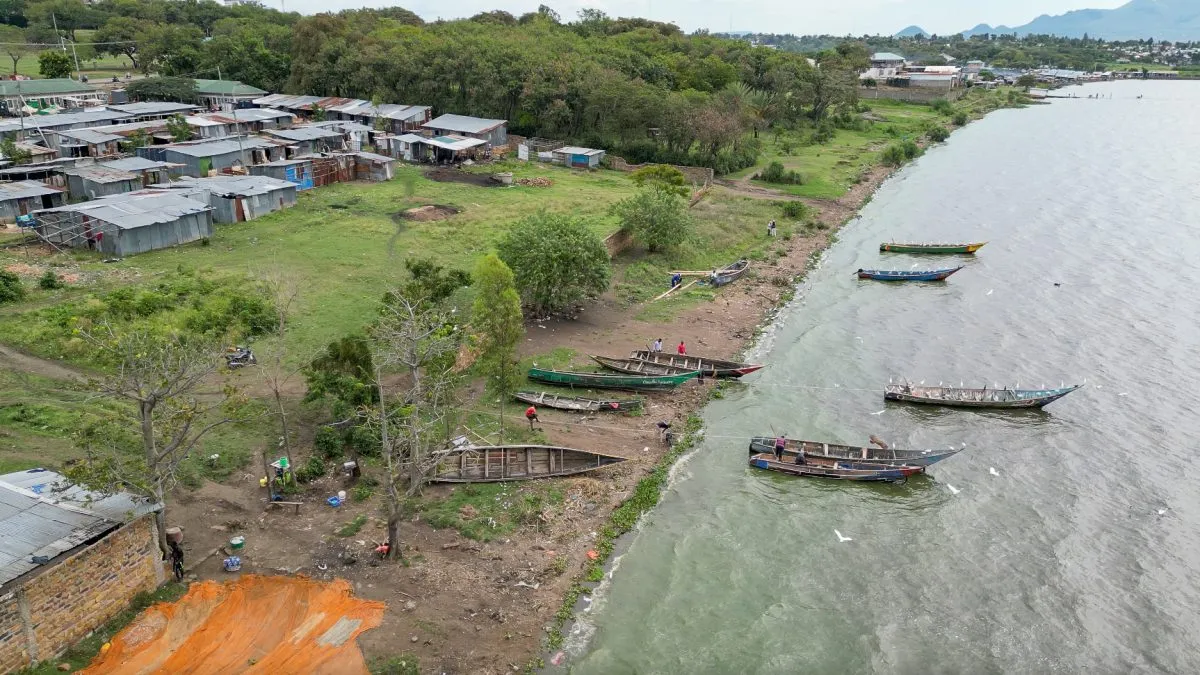
Homa Bay County sits on the edge of Lake Victoria, Africa’s largest freshwater lake — and for years, it’s been one of Kenya’s top fish producers. But that success is slipping. Fish catches are falling, jobs are disappearing, and entire communities that once depended on the lake are now struggling to get by.
Why Is Fish Production Falling?
Several problems have caused this decline:
- Overfishing: Too many fish are caught before they can reproduce.
- Pollution: Waste from homes, farms, and factories ends up in the lake.
- Water hyacinth: This fast-spreading plant blocks fishing routes and depletes oxygen.
- Poor infrastructure: Many landing sites lack cold storage and hygiene, leading to waste and low earnings.
What Is the Blue Economy — and How Can It Help?
The “blue economy” means using water resources for sustainable economic growth. For Homa Bay, this could include:
- Cage fish farming: Raising fish in large net enclosures. Companies like Victory Farms aim to produce 30,000 tonnes more tilapia annually in areas like Litare and Kamogo.
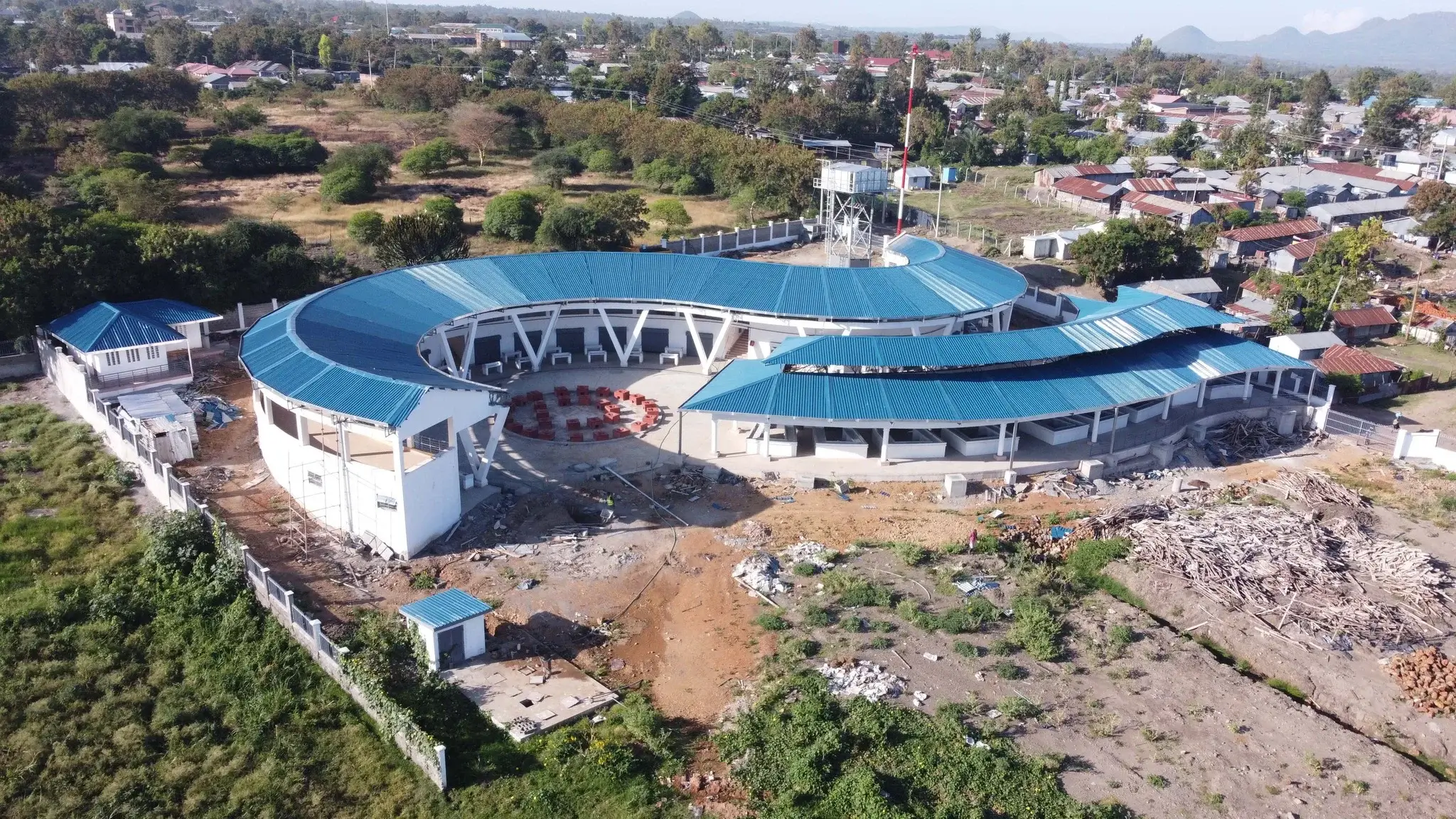
- Fish processing and storage: Modern facilities would reduce spoilage and create jobs.
- Eco-tourism: Homa Bay’s 300km shoreline and lake views could attract visitors and income.
- Community training: Teaching locals, especially youth and women, about aquaculture and conservation.
Challenges That Must Be Solved
To grow a successful blue economy, Homa Bay must:
- Enforce fishing rules and stop illegal practices
- Clear water hyacinth and reduce pollution
- Improve roads, markets, and fish storage
- Involve local people in planning and decision-making
A Chance to Lead
The government is investing in modernizing the fishing industry. For instance, a fish processing factory is being revived with an investment of KSh 400 million to enhance value addition and improve incomes for local fishermen.
With over 1,600 km² of lake waters, Homa Bay has enormous potential. By combining smart investment, sustainable practices, and strong community support, its blue economy can become a model for Kenya — and a lifeline for thousands of families.

Find More on Our Socials