


Food Insecurity in Homa Bay County
National and County-Level Impact
According to the Kenya Food Security Steering Group (KFSSG) reports (2023–2024), Homa Bay is one of the counties significantly affected by food insecurity. In late 2022, approximately 495,000 people in Homa Bay and other non-arid counties were food insecure.
This figure contributed to a national total of 4.4 million people facing acute food insecurity—with projections rising to 5.4 million by mid-2023.
While serious, food insecurity in Homa Bay is less severe than in Kenya’s arid and semi-arid counties like Turkana and Marsabit.
495,000
Food insecure people in Homa Bay & non-ASAL counties (2022)
50%
Homa Bay population affected during lean seasons
4.4M
National food insecure population (late 2022)
5.4M
Projected food insecure by mid-2023
Poverty and Vulnerability

Poverty remains a major contributor to food insecurity in Homa Bay. As of 2018, the county’s poverty rate stood at 48%, surpassing the national average of 45%. High poverty levels increase vulnerability to hunger and limit access to nutritious food.
Agricultural Context
Homa Bay’s economy relies heavily on subsistence farming. The land is primarily used to grow staple crops like maize, beans, sorghum, bananas, sweet potatoes, and vegetables. Livestock farming includes chickens, goats, sheep, and zebu cattle.
However, only 11% of the land is allocated to cash crops. Erratic rainfall and drought have severely affected crop yields, worsening food insecurity across the region.
Malnutrition and Health Impacts
28%
Children under 5 suffering from stunting
12%
Children under 5 experiencing wasting
Malnutrition in Homa Bay exceeds national averages, posing serious health risks. Stunting impairs growth and brain development, while wasting signals acute undernutrition. Children, women, and the elderly are the most affected groups.
Factors That Contribute to Food Insecurity
Erratic Rainfall and Drought
Unpredictable and below-average rainfall has led to drought conditions, significantly reducing agricultural productivity.
Economic Constraints
High poverty levels limit household purchasing power and access to a diverse and nutritious diet.
Declining Fish Stocks
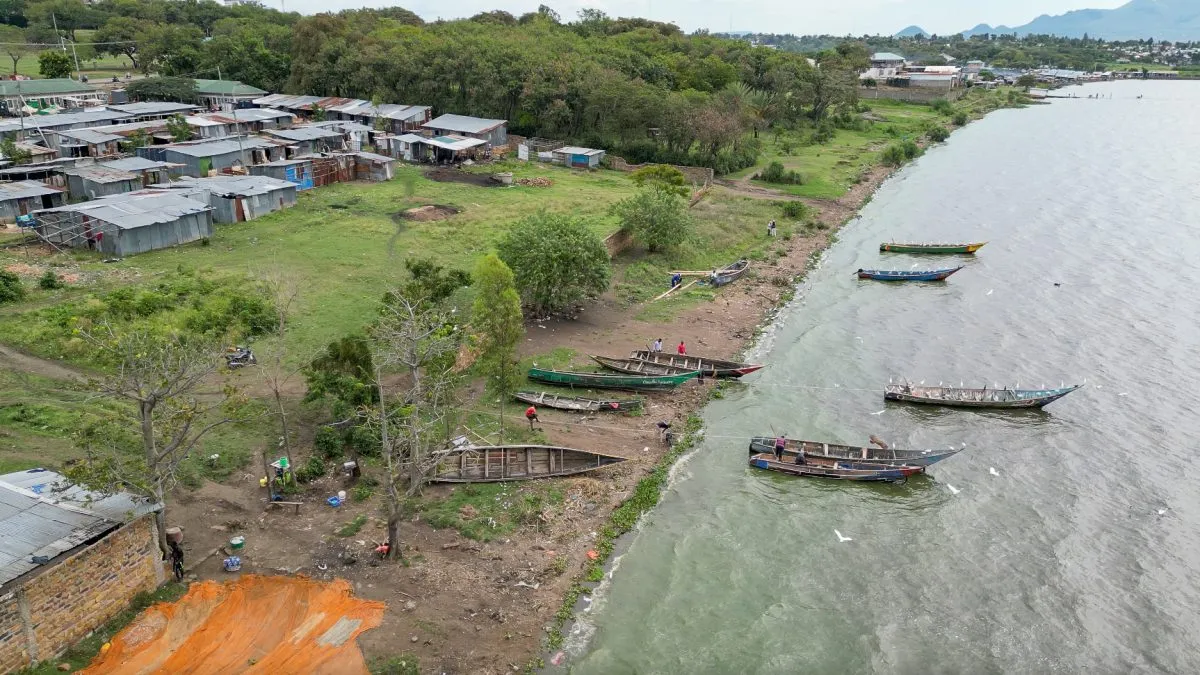
Lake Victoria’s declining fish stocks have reduced the availability of a key protein source for local communities.
Water and Sanitation
Limited access to clean water and proper sanitation negatively impacts health and nutritional outcomes.
A Collective Responsibility
The efforts of the county government, NGOs, and local farmers are already yielding results — but sustained, inclusive action is crucial.
Residents, policymakers, and global partners must come together to invest in agriculture, infrastructure, and human capital.

Find More on Our Socials