






Just beyond Oyugis, where the tarmac gives way to dusty trails, the hills of Kasimba, Kamuga, and Ruga pulse with a fever unlike any other. It’s not the kind you cure with medicine it’s biera gi tope, the madness of gold. Whispers of gold unleash a frenzy, drawing dreamers into a whirlwind of hope, chaos, and heartbreak. For every glimmer of wealth, there are tales of loss, shrouded in whispers of curses and unseen forces.
The Spark of the Rush
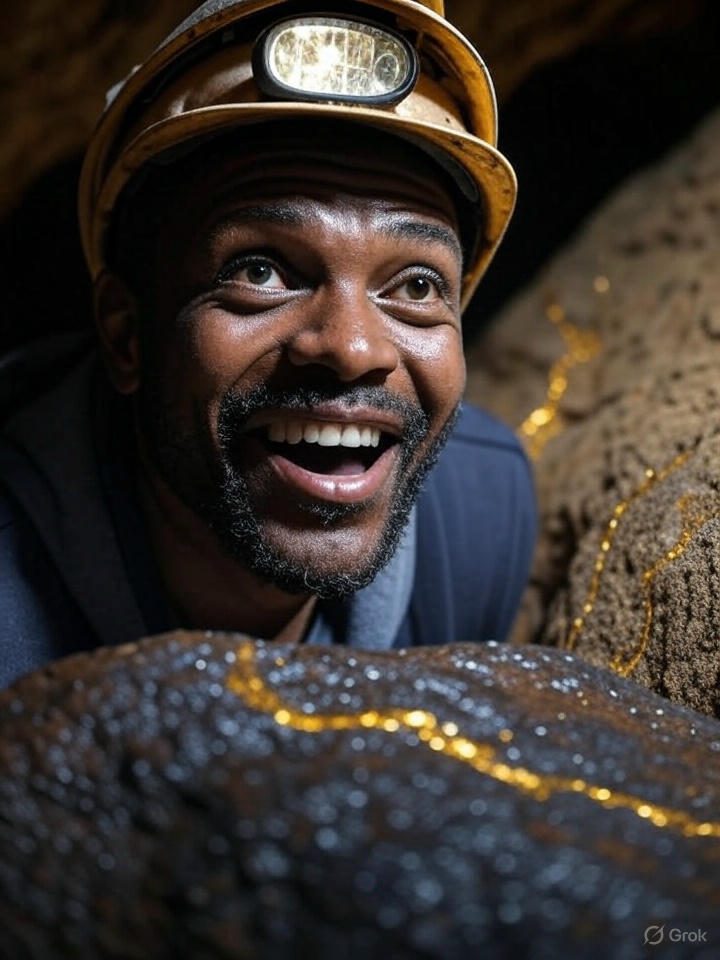
The rush didn’t start with a grand find or a newspaper headline. It began with a whisper; a single speck of tope found in the hills, a glint that spread like fire. From village to village, the rumor grew, leaping from market stalls to WhatsApp chats, from church sermons to roadside bars. By the time it reached Oyugis, it was a fever—biera gi tope. Strangers poured in from Kisumu, Migori even beyond Kenya’s borders, their eyes bright with possibility. Locals, too, felt the pull. A tailor locked his shop, a farmer left his fields, a nurse traded her scrubs for a shovel. all chasing rumors of tope—gold, the elusive treasure buried in the earth. Under the blistering sun, they dig, each shovelful a gamble, each sand pile a fragile dream that could turn to potea pata—dust, slipping through their fingers.Tope didn’t care who you were, it promised wealth to anyone willing to dig.
But dreams come with a price. To join the rush, many borrow from shylocks, their debts piling up with interest. Others sell what little they own—a cow, a bike, a patch of land. The hills don’t judge, but they don’t reward easily either. For every tale of a miner who struck tope, buying a car, building a house; there are dozens who leave with nothing but blisters and regret. The rush has scarred the land, too. Where maize once grew, the earth is pocked with pits. Streams run muddy, tainted by mali’s mercury. The hills, once a quiet backdrop, are now a chaotic stage for hope and loss.
These hills know no order. There are no permits, no boundaries, just the unspoken rule: the first to claim a patch of dirt, digs. The once-quiet slopes, alive with birdsong and swaying maize, now echo with the clatter of shovels, the grind of mtambo—makeshift machines separating mud from mali, the precious gold extracted through mercury’s toxic shimmer. Soil is traded like market goods, a small heap for a few shillings, a larger one for thousands. But it’s a blind bet. Some pay with borrowed money, others with their life’s savings, all hoping the sand will yield tope. Most walk away with empty hands and heavier hearts.
Chaos reigns in the rush. The hills are a battleground of hope and desperation, where biera gi tope drives people to madness. Fights erupt over sand piles, fists and pangas flashing in the heat. In one frenzied stampede for free soil, a mother, her child tied tightly to her back, pushed through the crowd, grumbling for her share. The crush was merciless. Her child, caught in the chaos, was lost; gone before she even knew. The hills fell silent for a moment, but the rush didn’t stop. It never does.
Tragedy strikes in other ways. A woman, caught in a scramble for sand, felt a sharp prick in her neck, a needle, plunged by an unseen hand, its contents a mystery. She collapsed, her life slipping away as the crowd surged on. Another, grabbing for soil in the dusk, didn’t notice the razor blade that sliced her arm. She kept digging, oblivious, until others shouted, warning her not to touch them with her blood-streaked hands. In the pits, danger is closer than the gold. Tunnels, dug in haste, collapse without warning, burying young men alive, their dreams entombed in the sand they chased. Others escape with shattered limbs, only to return at dawn, driven by the same stubborn hope.
The Chaos if the Soil
Soil is the rush’s currency. Landowners sell access to their plots, charging by the pile or the meter. A small heap of sand might cost 50 shillings, a larger one 20,000. Buyers pay eagerly, caught in the spell of biera gi tope. They dig, they sift, they pray—but the sand is a fickle partner. One pile might yield a speck of tope, enough to fuel the dream. Another offers only potea pata, no matter how deep you go. It’s a gamble, and the house rarely loses.
The rush has birthed a frantic economy. Middlemen broker sand deals, pocketing a cut. Women sell tea and mandazi near the pits, their stalls a lifeline for weary miners. Children scavenge for scraps or run errands for a coin. But this economy is fragile. A week without tope sends panic through the camps. Debts grow, tempers flare, and the promise of gold feels like a cruel jest. Some miners borrow more, desperate to keep digging. Others walk away, their dreams reduced to dust.
The chaos peaks in moments of frenzy. When word spreads of a new find, the hills come alive with footsteps. Crowds surge, shoving for a share of sand.
The Toll of the Work
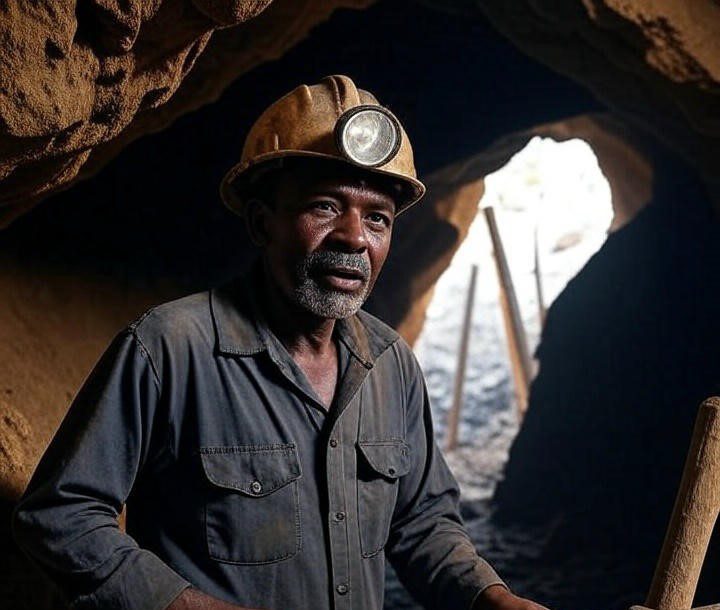
Mining is a test of endurance. Days begin before dawn, with miners trekking to the hills, their tools heavy on their shoulders. The pits are shallow but unstable, their walls crumbling under the rush’s haste. Miners work in teams, passing buckets of sand hand to hand, their voices lost in the mtambo’s roar. The mali process;washing with mercury is delicate but dangerous, its fumes a silent poison. Miners handle it with bare hands, the risks a distant thought in the chase for tope.
The mtambo machines are unforgiving. Built from salvaged parts, they grind sand into dust, but a single flaw, a loose belt, a jammed gear, can halt the work or worse. Tunnels, dug too quickly, give way, burying men in the sand they sought. Survivors speak of the darkness, the weight, the moment when hope turned to terror. Yet, many return, their scars a testament to the rush’s pull.
The mental toll is heavier than the physical. Days without tope erode confidence, turning dreams into doubts. Nights are spent replaying choices did I dig in the wrong spot, trust the wrong rumor? For every miner who persists, another quits, defeated by the hills’ silence. The rush is a crucible, burning away all but the most stubborn hope.
Shadows of Belief
In the hills, tope is not the only thing that glimmers. Whispers of curses weave through the camps, as common as the sand on miners’ boots. Some say the soil shifts, turning barren overnight. Others speak of figures seen at dawn, sprinkling ashes or muttering words to lock the tope away. Elders warn that the land is alive, its spirits guarding what lies beneath. “The earth sees you,” one says. “Dig without respect, and it will hide its gifts.”
These beliefs are not just stories; they’re currency. They explain why one miner finds tope and another finds potea pata. They give shape to the rush’s chaos, offering a reason for its highs and lows. But not everyone buys in. Younger miners, raised on skepticism, scoff at the tales. “It’s just sand,” one says, shaking his head. “No spirit hides gold.” They blame cons; landowners selling worthless plots or rivals spreading rumors to scare off competition.
Yet doubt has its limits. Even the skeptics carry traces of belief—a muttered prayer, a charm in a pocket. The hills blur lines, making cynics question and believers waver. It’s not about proof; it’s about feeling. The land, with its vast silence and hidden depths, feels alive in a way that defies logic. Whether the sand is cursed or just empty, the belief in something greater keeps miners tethered to the pits.
The Human Cost
Tope builds, but it also breaks. For every miner who strikes gold, there are dozens who lose everything. Families fracture under debt, marriages strain as savings vanish, and children go to bed hungry because fields lie fallow. The rush promises a way out of poverty, but for most, it’s a deeper trap.
The hills take a toll on bodies and minds. Miners age quickly, their skin etched with sand, their lungs heavy with mali’s fumes. The cycle of hope and disappointment wears down even the strongest spirits. Some turn to chang’aa to dull the ache. Others lean on faith, clutching rosaries or reciting verses under their breath.
Community ties fray under the rush’s pressure. Neighbors become rivals, vying for the same sand. Friendships sour over unpaid loans or whispered accusations of sabotage. Yet, there’s resilience here, too. Women, the rush’s backbone, keep families fed and spirits high, even as they dig alongside the men.
The rush’s darkest moments linger. The mother’s loss, the woman’s collapse, the men buried alive, these are not just tragedies but warnings. They speak of a rush that consumes, a biera gi tope that spares no one. Yet, the hills keep calling, and the miners keep answering.
The Future of the Rush
How long can the rush last? The hills are finite, their tope not endless. Some miners believe the gold is drying up, the best days gone. Others, ever hopeful, think the big find is one dig away. The truth lies buried, silent as the sand.
The rush has left its mark. The landscape is scarred, streams poisoned by mali, soil eroded by mtambo. The social fabric is stretched, torn by new wealth and new wounds. Oyugis hums with the energy of a place on the edge of something great, or something broken.
A Land of Hope and Shadows
In Ruga, tope is a mirror, reflecting the best and worst of those who seek it. It’s a promise, a test, a riddle wrapped in sand. It draws people together and drives them apart. It lifts spirits and breaks hearts. It’s a force that reshapes the land and the people who walk it.
As night falls, the rush’s sounds fade into a quiet rhythm. Shovels rest, mtambo falls silent, and miners head home. Some carry the weight of another empty day, their dreams dimmed but not gone. Others whisper to the stars, asking for tope, for mercy, for a sign. The hills, vast and unyielding, hold their secrets close, giving and taking in equal measure.
Tomorrow, the miners will return, tools in hand, chasing the biera gi tope. They’ll dig, they’ll dream, they’ll hope. And the hills will watch, as they always have, offering tope to some and potea pata to others.
though it is a real engraving it pushes towards wealth .though many climbs this hill reach picks with difficulties , though it is a rush way of wealth
,it has its complications .try it and find its way. tope , a blessing to women.